Radiant Heating: How It Works and Where It Fits Best
Oct 01, 2026 | Carpet One Floor & Home
Key Takeaways
- Radiant heating warms your floors directly, creating even, energy-efficient warmth without cold spots or blowing air.
- The right system, hydronic or electric, and the right flooring to pair with it, depends on your space and whether you're building new or renovating.
Cold floors are one of the easiest things to fix, and radiant heating is one of the best ways to do it. Instead of blowing warm air through vents, a radiant heating system warms the floor itself, so heat rises evenly through the whole room. As your local flooring experts, we're here to help you understand how radiant heat works, what it takes to install, and which flooring pairs with it best. Read on to explore everything you need to know before you make the switch.
What Is Radiant Heat?
Radiant heat warms your home a little differently than most heating systems. Instead of pushing warm air through ducts and vents, a radiant heating system heats the floor directly, using either electric cables or hydronic tubing filled with hot water. As the floor warms up, it radiates heat upward into the room, warming the people, furniture, and surfaces around it rather than just the air.
This creates a more even, whole-house feel of warmth, without cold spots near doors or windows. Because there are no vents or radiators to work around, radiant heating also keeps your space looking clean and clutter-free.
Hydronic vs. Electric: Finding the Right System for Your Space
There are two main types of radiant heating systems: hydronic and electric.
- Hydronic systems use a boiler to heat water, which then flows through a network of tubing, often PEX, installed beneath the floor. This setup is well suited to whole-house heating and is a popular choice for new construction, where the tubing can be built into the subfloor or slab from the start.
- Electric radiant systems use thin heating cables or mats instead of water-based tubing. They're simpler to install after the fact, which makes them a great fit for a single room, like a bathroom or kitchen, rather than an entire home.
The right choice for you comes down to the size of the space you're heating and whether you're building new or retrofitting an existing room.
The Benefits of Heated Floors
Radiant floor heating offers more than just warm feet on a cold morning. Because heat radiates evenly across the entire floor, there are no cold spots or drafty corners to work around, and every part of the room stays comfortable.
Radiant systems also tend to be more energy-efficient than forced-air heating, since they operate at lower temperatures while still keeping a room comfortable. That efficiency comes from heating surfaces and objects directly, rather than warming air that can escape through gaps around doors and windows.
Heated floors run silently, with no blower or fan noise, and since there's no forced air moving through the house, radiant heat can also help cut down on the dust and allergens that circulate with traditional heating systems. That makes it a smart option for households with allergy sufferers.
Radiant Heat vs. Forced Air: What's the Difference?
Forced-air systems heat a room by pushing warm air through ductwork and vents, which can heat a space quickly and often doubles as central air conditioning. The tradeoff is that forced air relies on air temperature to keep a room comfortable, so heat can escape quickly and unevenly once the system shuts off, and moving air tends to circulate more dust.
Radiant heating takes a different approach. Rather than relying on air temperature, it raises the surface temperature of the floor itself, which keeps warmth in the room longer and more evenly. It also runs without ductwork, freeing up wall and floor space that would otherwise go to vents or radiators.
The right heating system really depends on your home, your climate, and how you use the space. Many homeowners pair radiant floor heating with a forced-air system for cooling, getting the comfort of radiant heat in colder months and the convenience of central air in the summer.
What to Consider Before You Install
Radiant heating is a big comfort upgrade, but it's worth planning ahead before you commit. Because the heating elements or tubing sit beneath the floor, installation usually works best during new construction or a larger renovation, when the subfloor is already exposed. Adding radiant heat to an existing room is possible, but it may involve removing and replacing the current flooring.
Not every flooring type responds to radiant heat the same way, so it helps to plan your flooring and heating system together from the start. A thermostat with a floor sensor is also worth including, since it lets you control the system based on the actual surface temperature rather than the air temperature alone.
Our team can help you figure out what makes sense for your space, whether that means a whole-house hydronic system or an electric setup in a single room.
Flooring That Works Well with Radiant Heat
A radiant heating system works with a range of flooring types, though some materials transfer heat more efficiently than others.
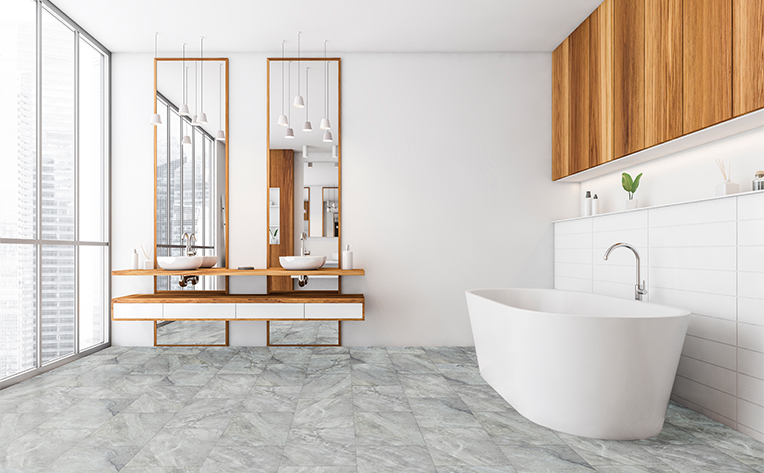
- Tile and natural stone are especially well suited to radiant heat. Both have excellent thermal conductivity, so they heat up quickly and hold that warmth for a long time, which makes them a favorite for bathrooms and kitchens.
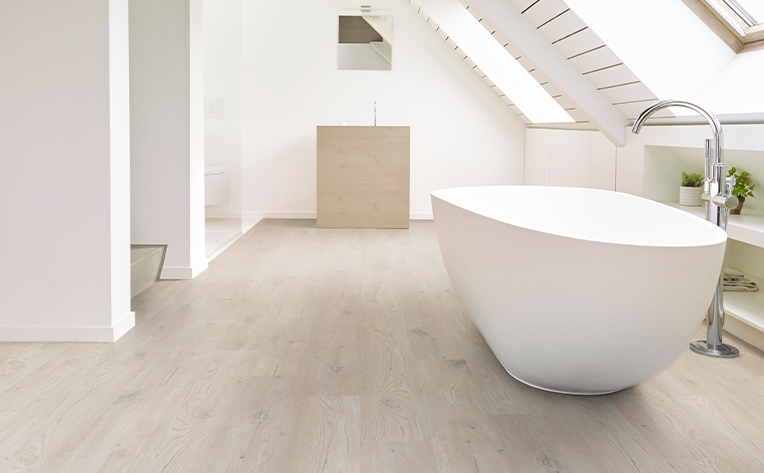
- Engineered hardwood is another strong option. Its layered construction resists the warping that can happen with solid hardwood, while still allowing efficient heat transfer. Laminate and luxury vinyl flooring also perform well over radiant systems and offer a wide range of styles to fit your space.
- Carpet can work too, as long as you choose a low-pile option and it's installed correctly, since thick padding can trap heat and keep it from reaching the room.
Start Planning Your Radiant Heat Project
If you're thinking about radiant floor heating, we're here to help you figure out what fits your home and your flooring plans. Whether you're starting from scratch or updating a single room, our flooring experts can walk you through your options and help you choose a system and flooring that work well together. Contact us today to start the conversation, and let's find the right way to keep your floors, and your whole home, feeling warm.